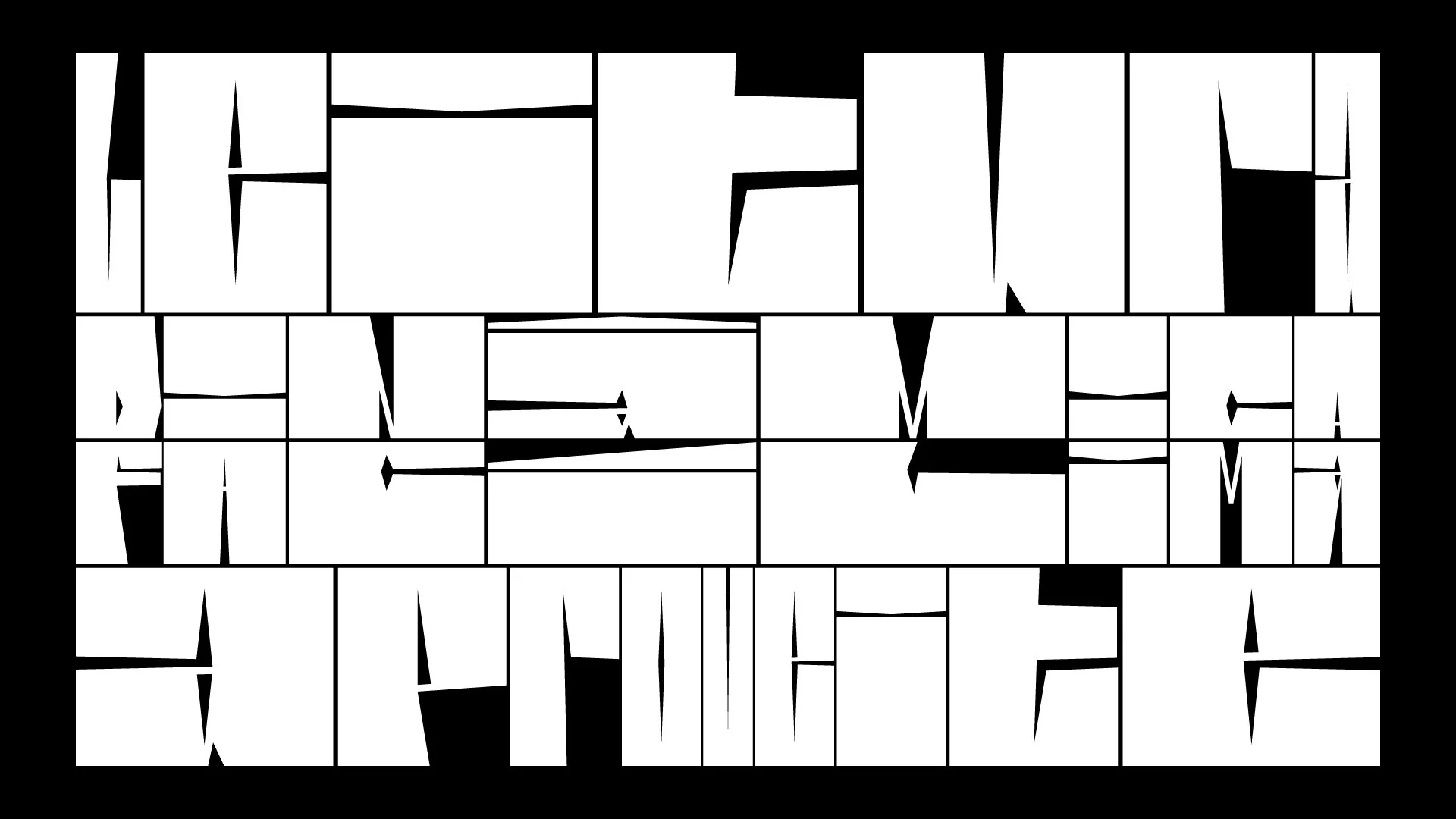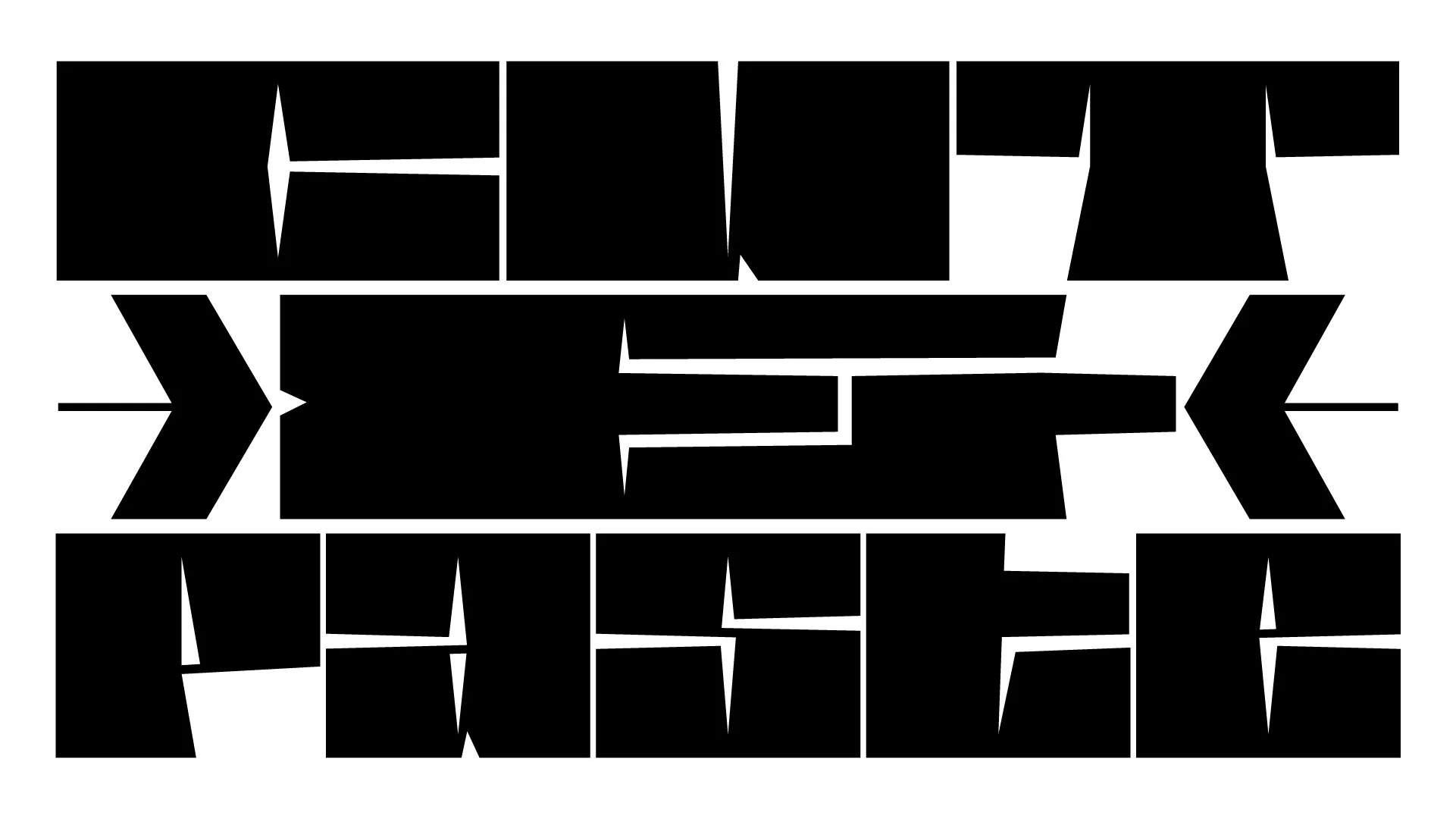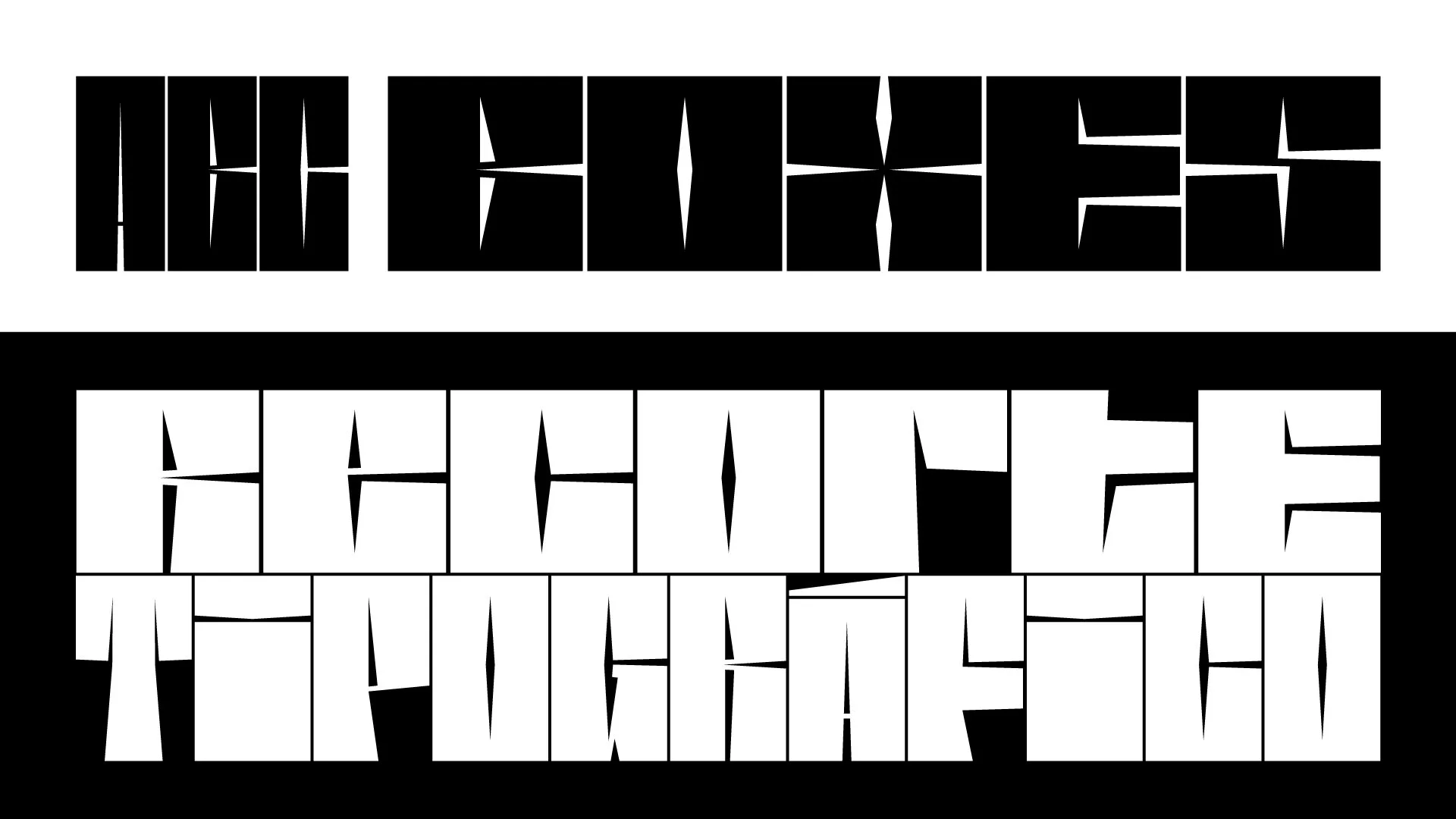
One shape fits all.
"Unbox" takes to a whole new level the idea of reusing shapes to create letters. It is a variable type family not only monospaced but also "monoshaped".
Designs for upper case, lower case, numbers, symbols, punctuation, and everything else in the same weight follow a simple rule: to fit in (and use the most of) a rectangle shape with the same height and width.
A letter is born from cutting off a filled rectangle, finding it's counter forms to make it (barely) recognizable.
As I reflected about how to design the counters, the ‘monoshaped’ idea lead me to think about card paper boxes, and their different sizes that can store pretty much anything. And how we can take a razor blade and make direct simple cuts in those boxes, with no curves, no details, just straight lines to adapt the shape into something we need.
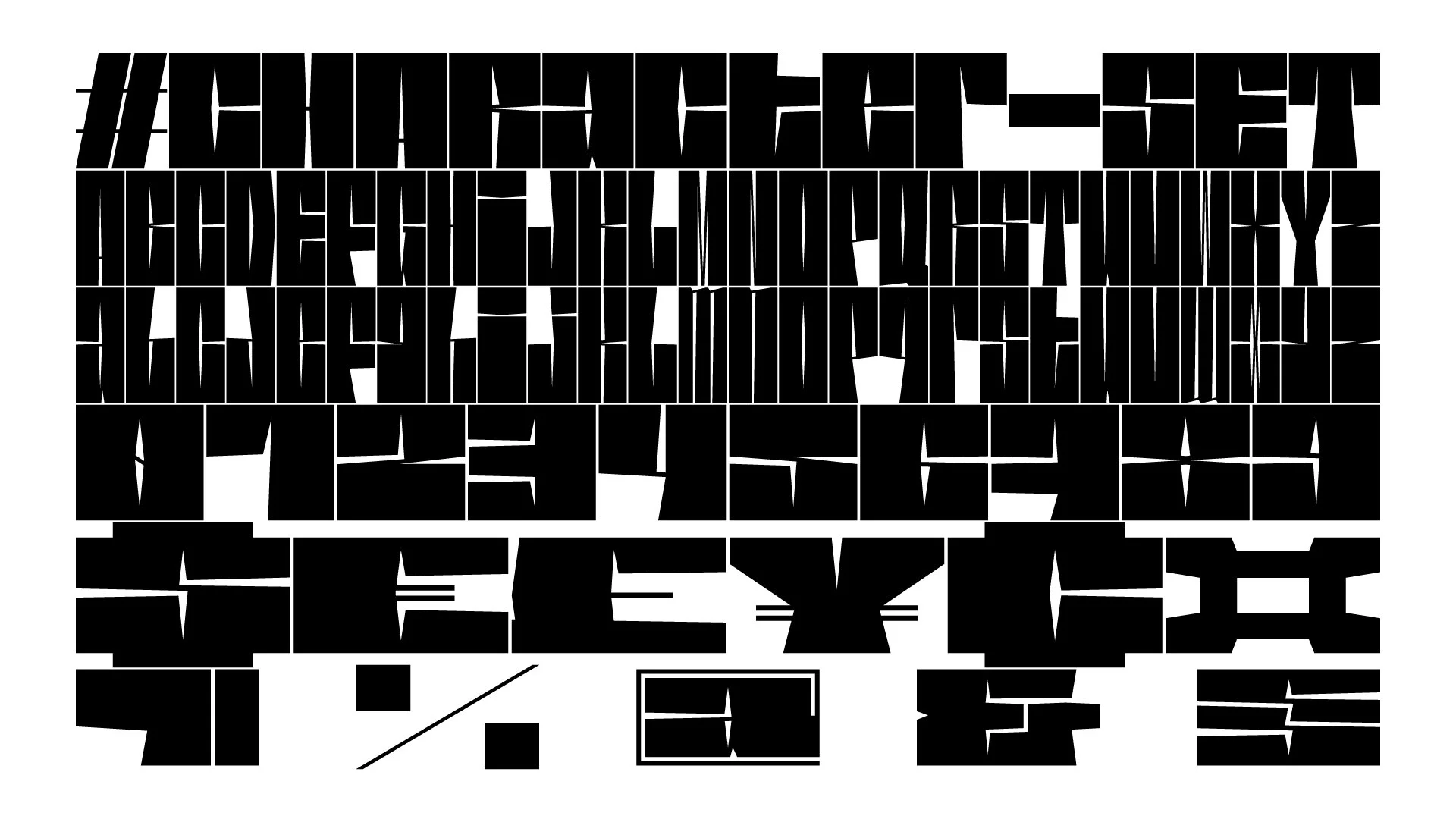
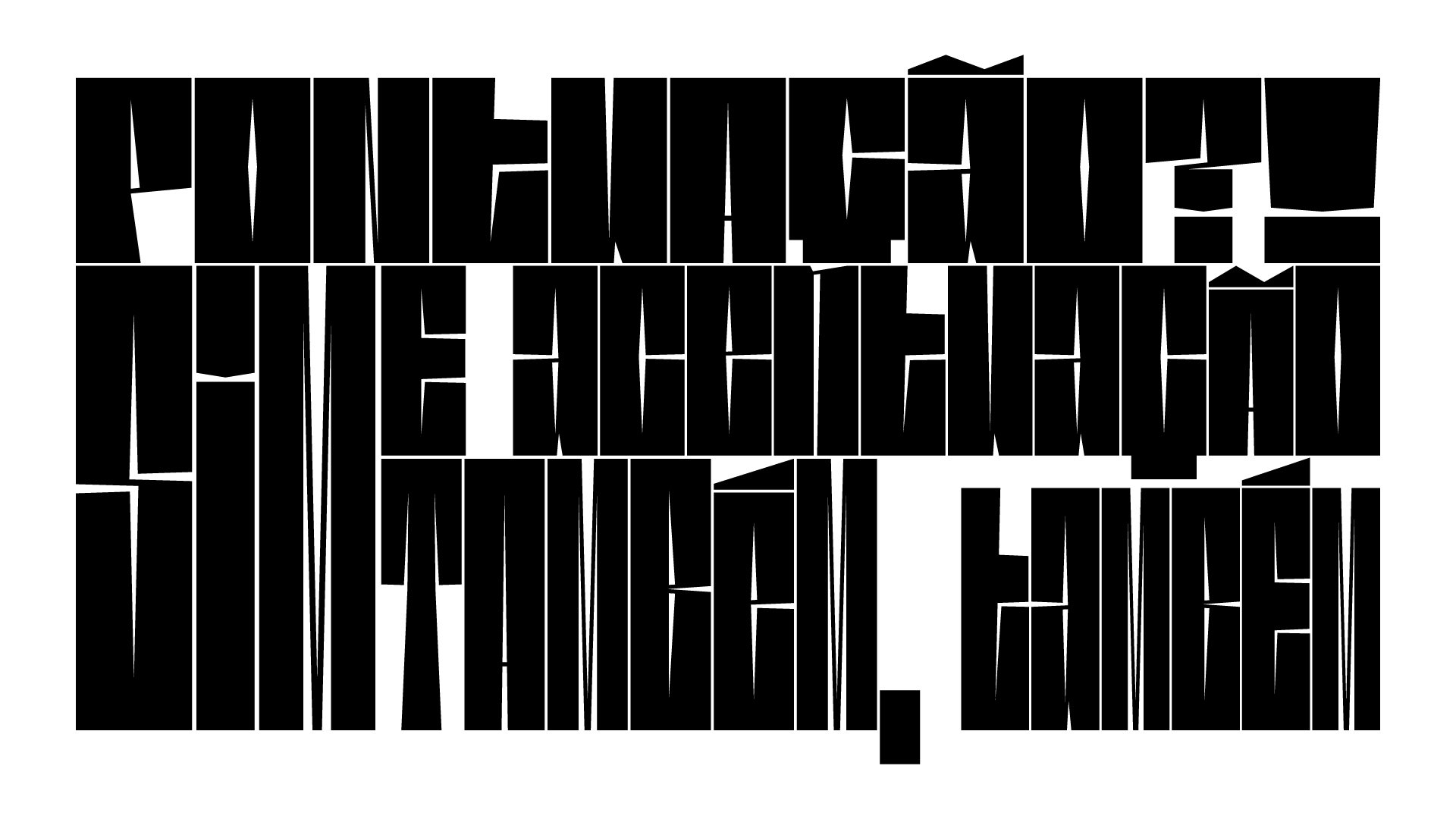
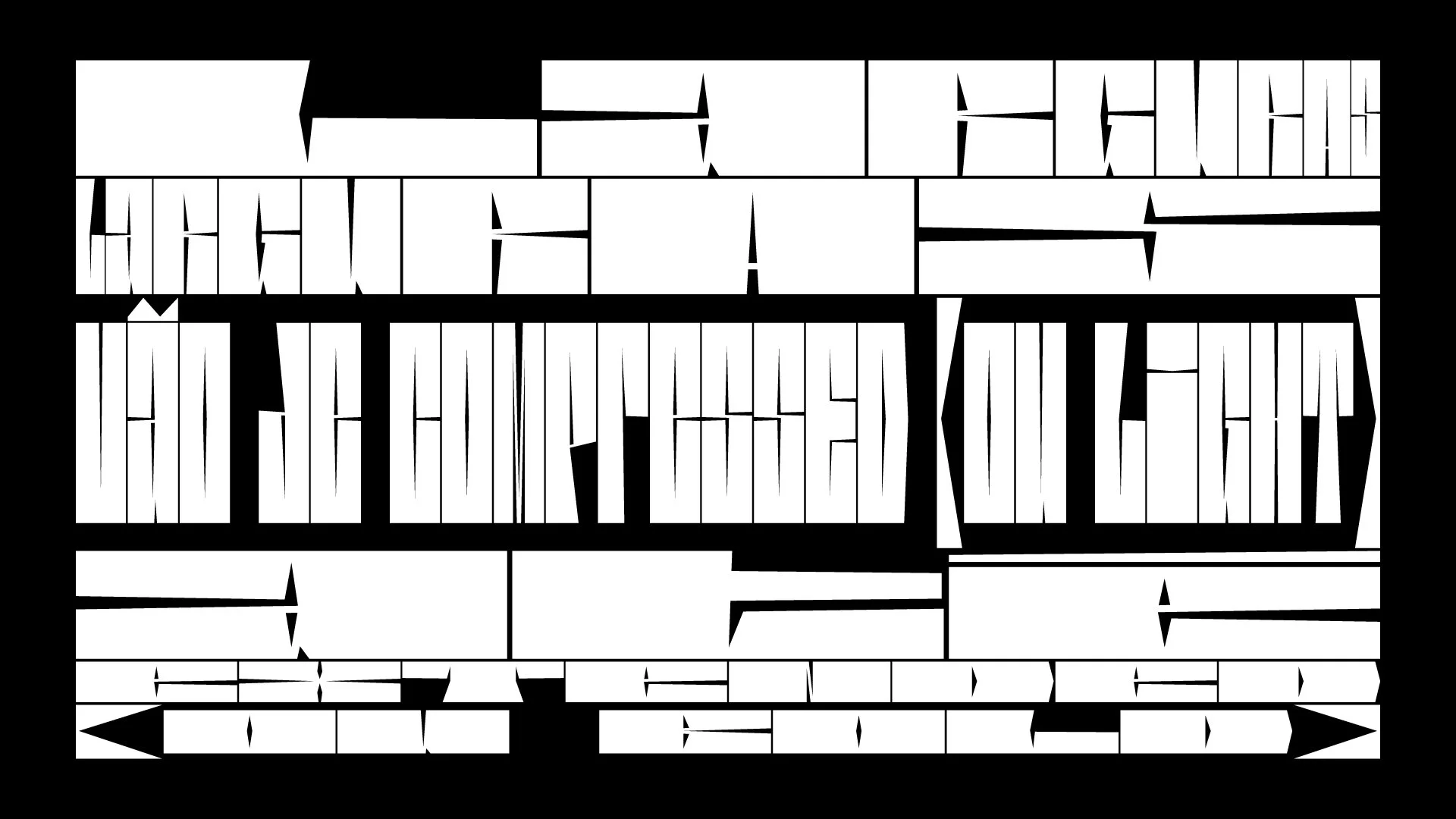
Stretch and pull, thin and thicken.
Since the typeface started out of a perfect square for the base shape, the project evolution for width variations work simultaneously as horizontal dimensions and weight; that means condensed and extended versions are also light and bold, respectively.
This kind of variations allows us to use different versions in a sentence or even in the same word, playing around and creating texts that fit exactly in the desired space in a layout: the typeface occupies all the space available just like boxes piling up in a physical environment.
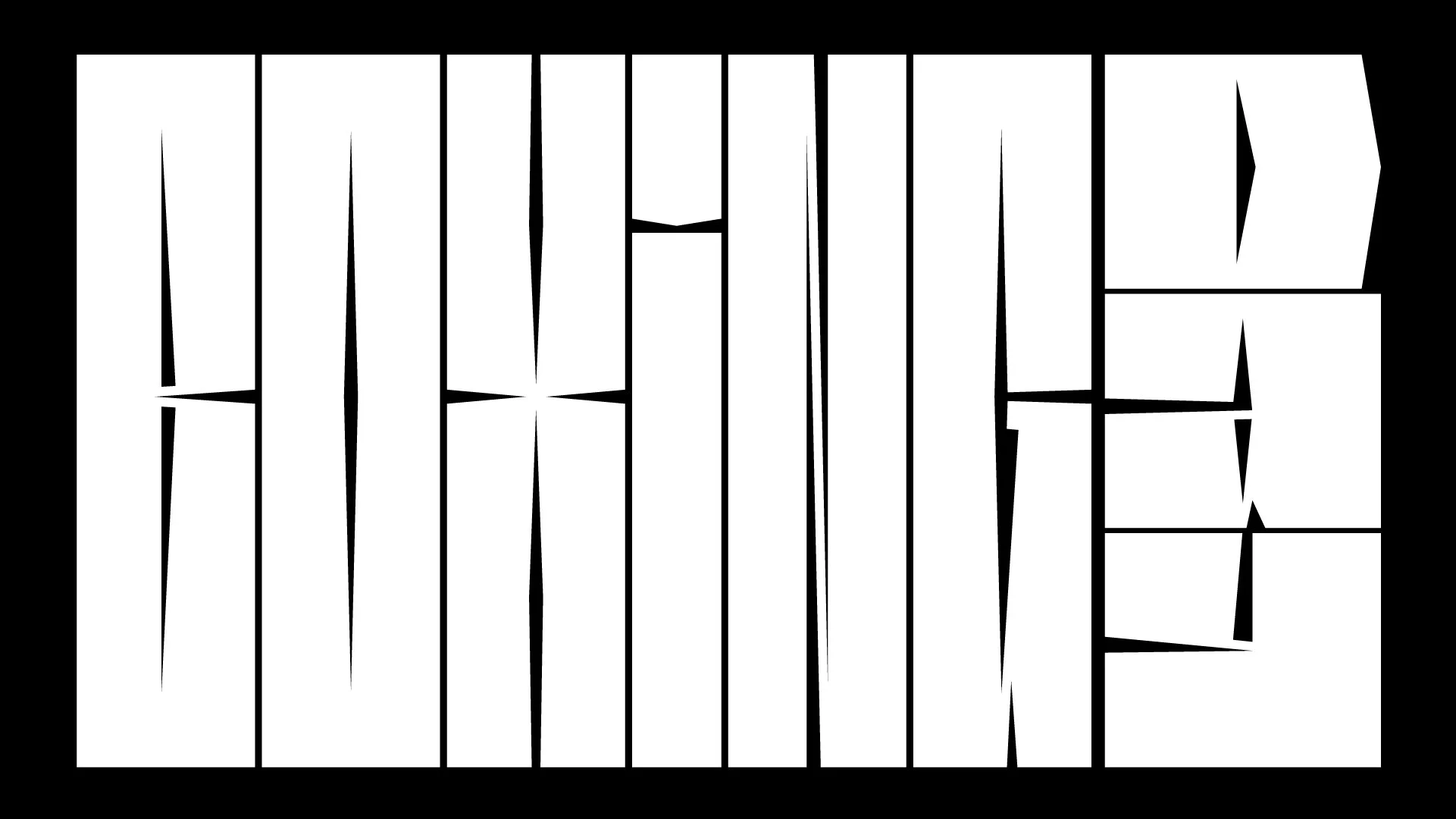
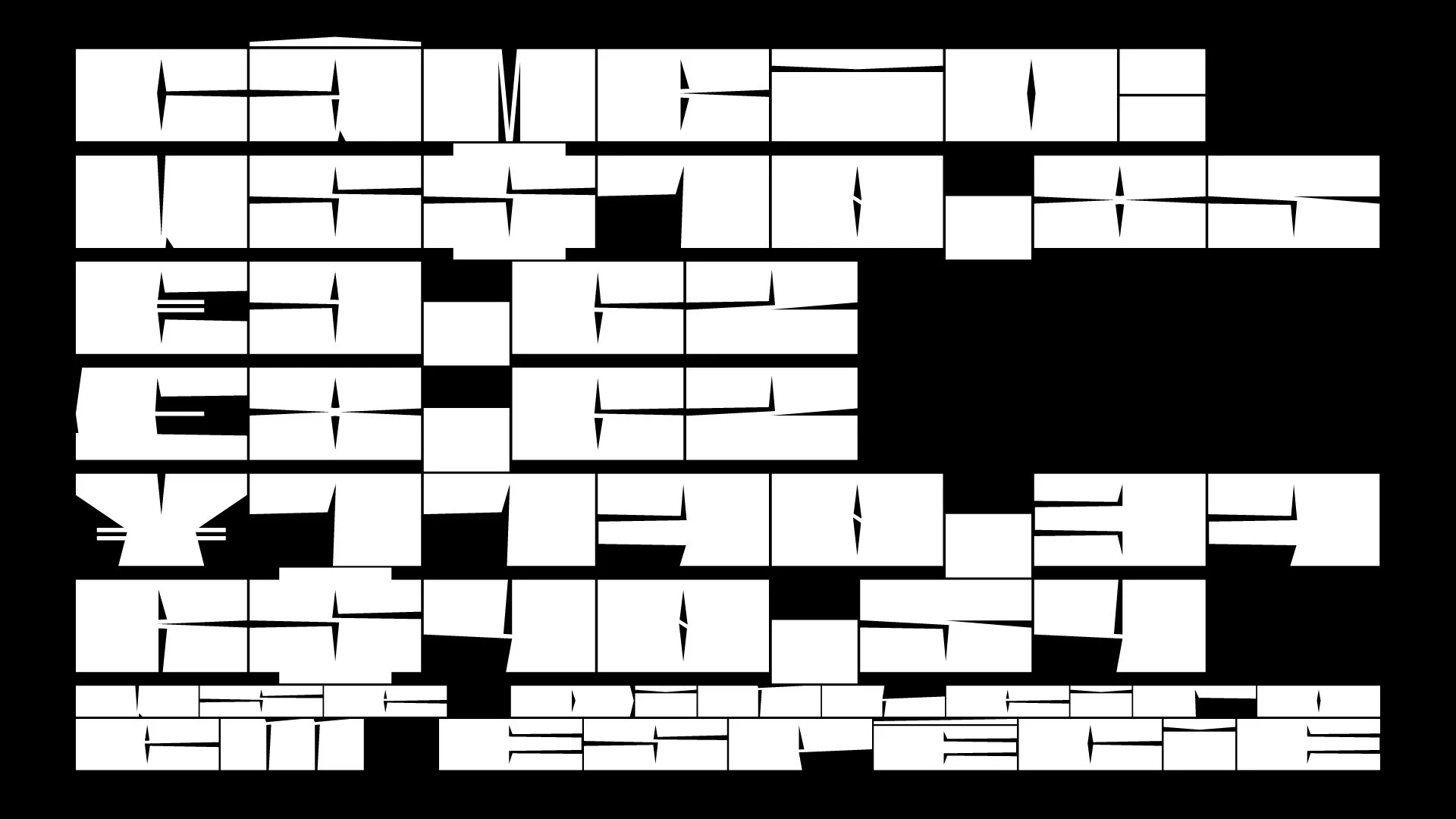
Boxes up and down.
Even more variations of the letters can be created based in the displacement of the counters downwards (creating top heavy letters) or upwards (creating bottom heavy letters).
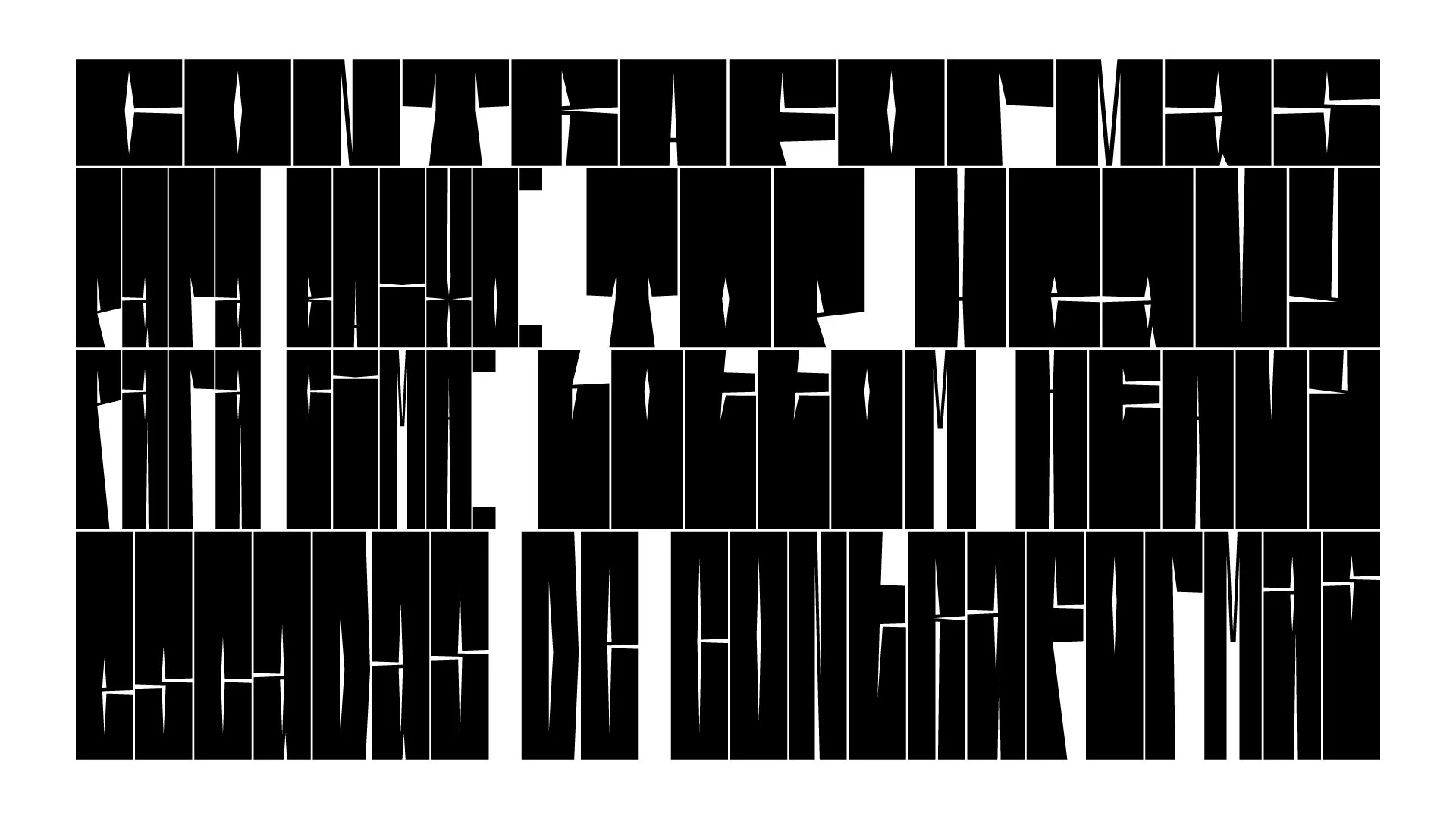
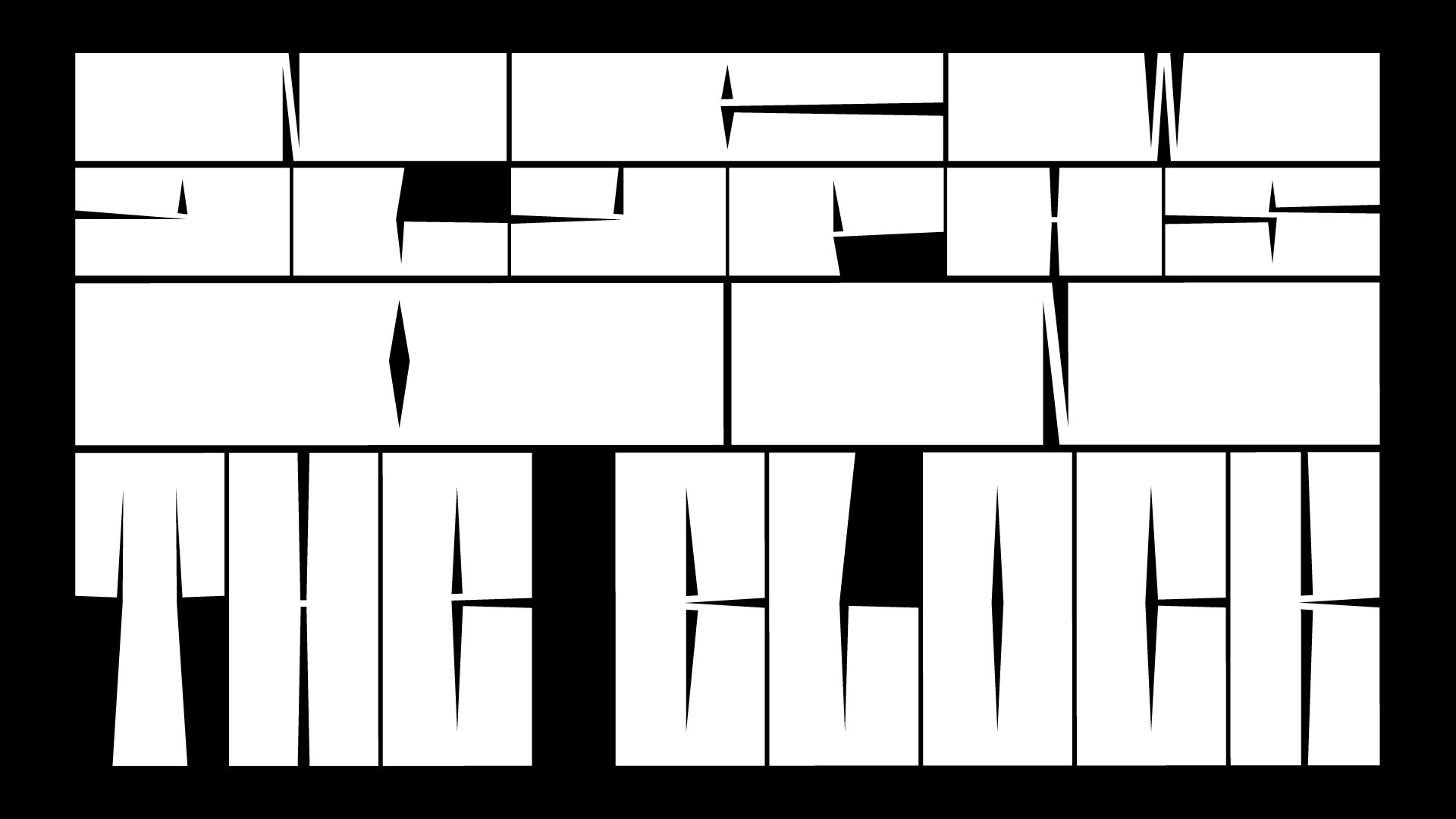
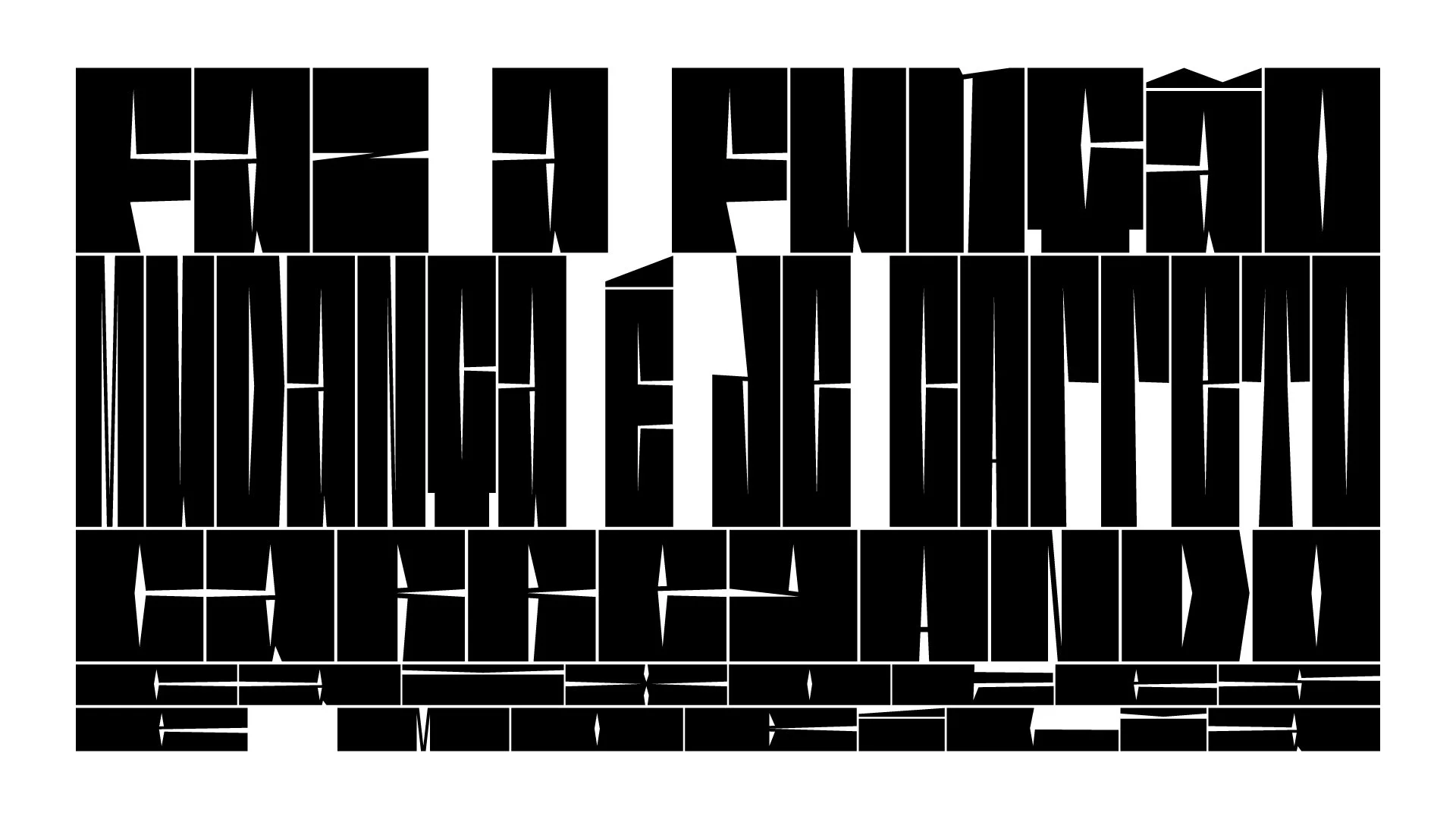
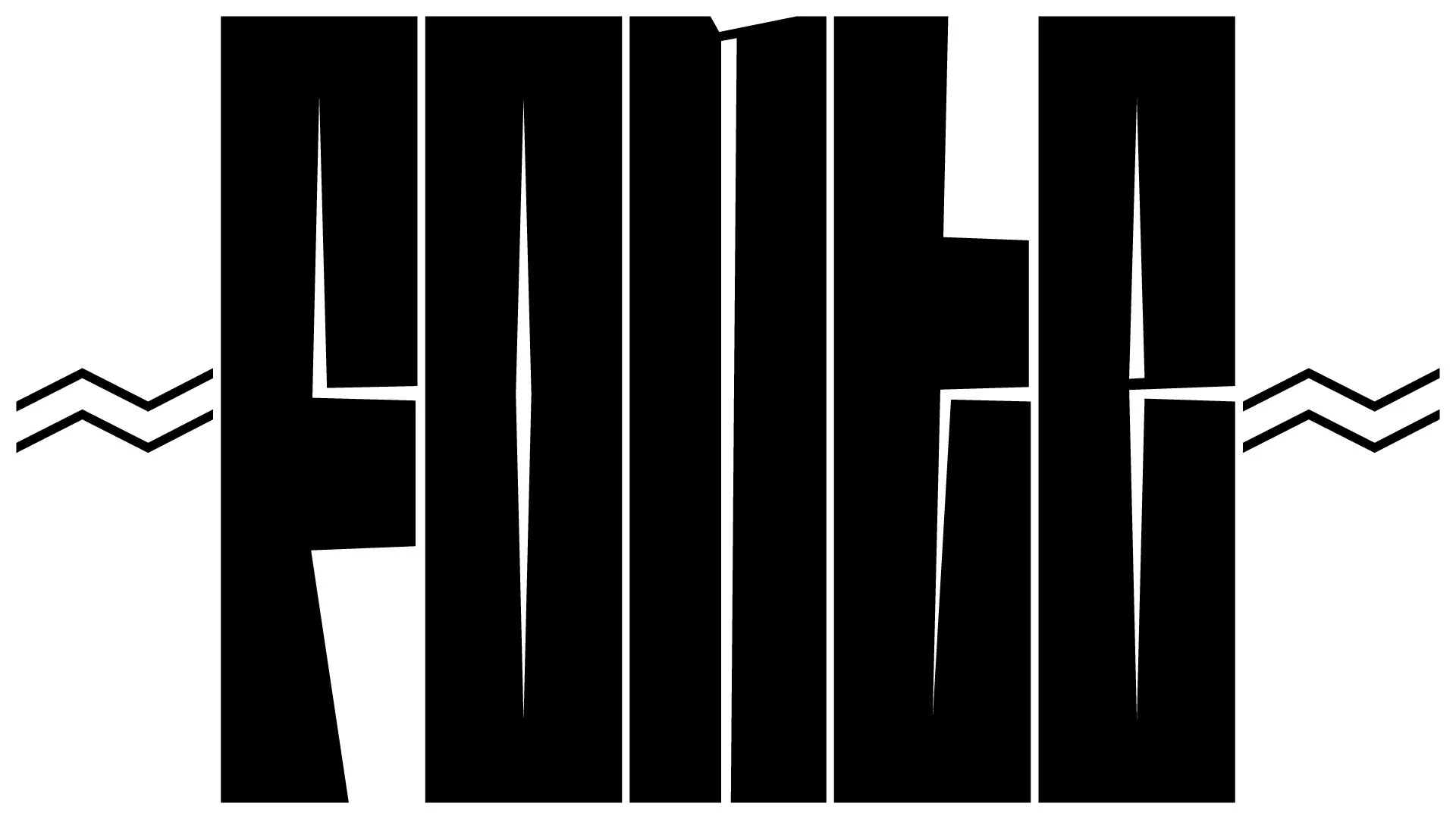
Type (not) for reading.
This experimentation is clearly very hard to read, but creates a texture from the word's sequence.
Unbox is a graphic pattern as much as it is a font.
You can download and use Unbox for free.
I’d love to receive some images if you do.